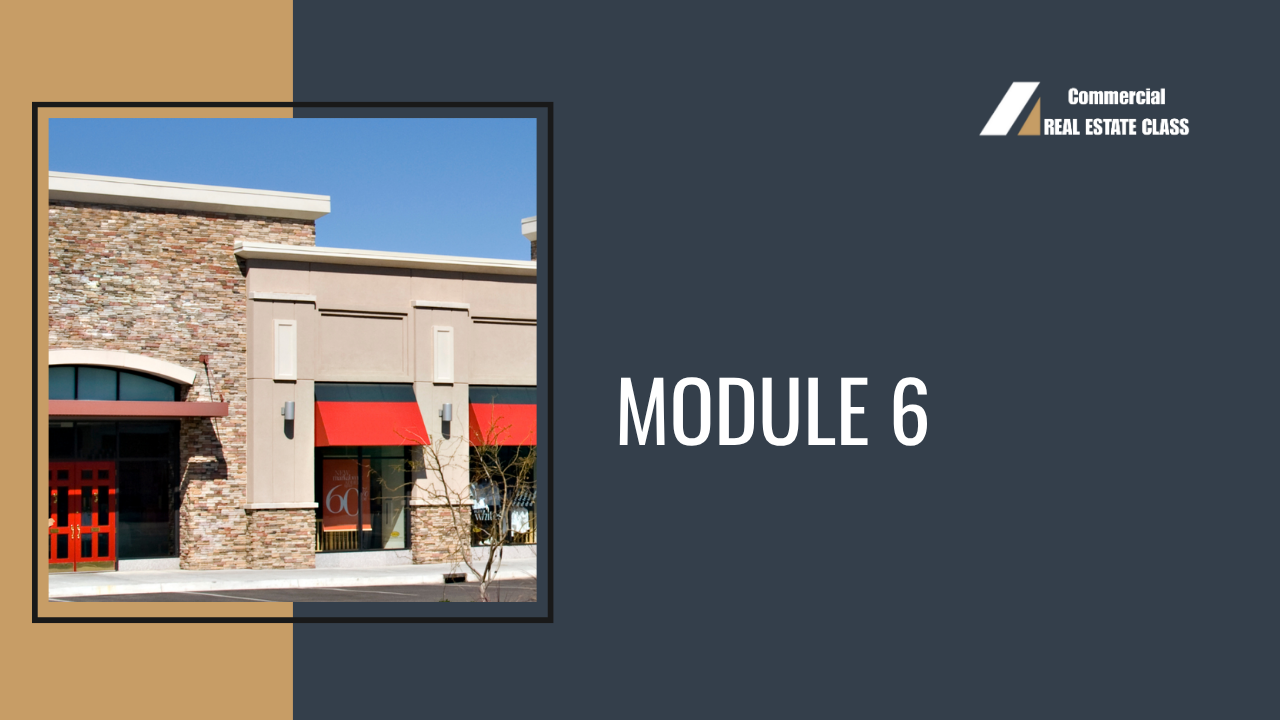
Advantages and Disadvantages of Strip Shopping Centers

Strip shopping centers — sometimes called neighborhood centers or community centers — are everywhere. With over 66,000 across the United States, they serve local neighborhoods with 3 to 12 stores and a steady flow of customers.
In this video lesson, Doc Haller walks through the advantages and disadvantages of strip shopping centers as an investment strategy.
What You’ll Learn:
- Why strip centers can be a practical choice for smaller investors
- How “repeat traffic” tenants like restaurants keep income steady
- The role of percentage rent and common area maintenance
- Financing opportunities when owners are mom-and-pop operators
- Pros and cons of shorter lease terms (flexibility vs. stability)
- How to reposition a center for stronger cash flow
What this means for you: Strip centers offer an approachable, less intimidating entry into commercial real estate. They’re not without risks, but with the right tenants and structure, they can deliver steady returns and long-term growth.
Student Spotlight: Conrad’s Success
“In the Commercial Real Estate Mentorship Program, I found EVERYTHING I needed to become a commercial real estate investor for the rest of my life! Now I own a small strip center in Arizona, and I am very happy about that. I highly recommend Doc's program.” — Conrad C.
Your LIFE SUCCESS WORK™
- Watch the full video
- Join the program
- Download the “Property Data Collection Form”
- Spend 15 minutes exploring local strip centers online
- Identify repeat-traffic tenants that could support steady income
Ready to learn more? Click the green Tell Me More button below, and on the next page choose either the free version or the full version of the program.