Why Commercial Real Estate Often Outperforms Residential Investing

Many new investors begin their journey with single-family homes. It feels familiar. Most people have lived in a house, so buying one as an investment seems like the natural first step.
But experienced investors often discover something surprising.
Commercial real estate can outperform residential properties in several important ways.
This is one of the first lessons Doc Haller teaches in the Commercial Real Estate Class. Once you understand the differences between residential and commercial investing, the opportunities become much easier to recognize.
Let’s walk through a few of the reasons commercial real estate attracts serious investors.
1. Income Is Based on Business Performance, Not Emotion
In residential real estate, property values are often influenced by emotion.
A buyer may pay more for a house simply because they love the kitchen, the neighborhood, or the school district.
Commercial real estate works differently.
The value of a commercial property is largely determined by its income potential.
For example:
• Apartment buildings
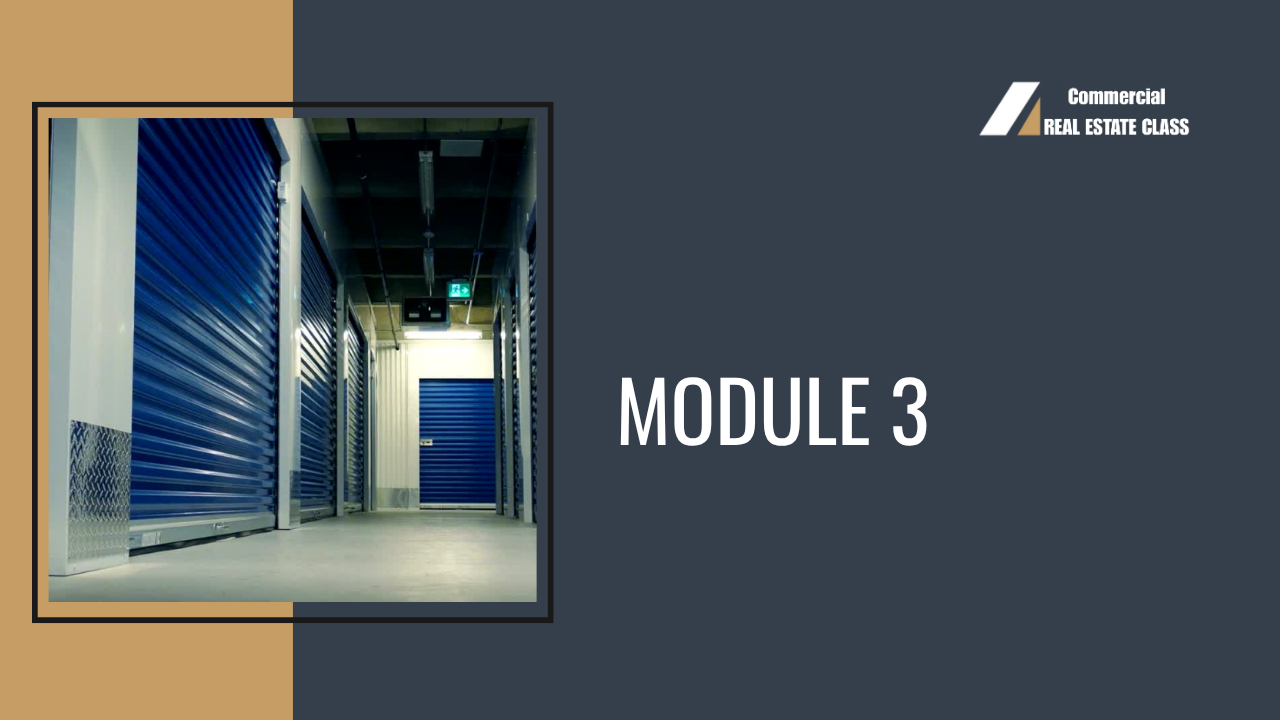
• Self-storage facilities
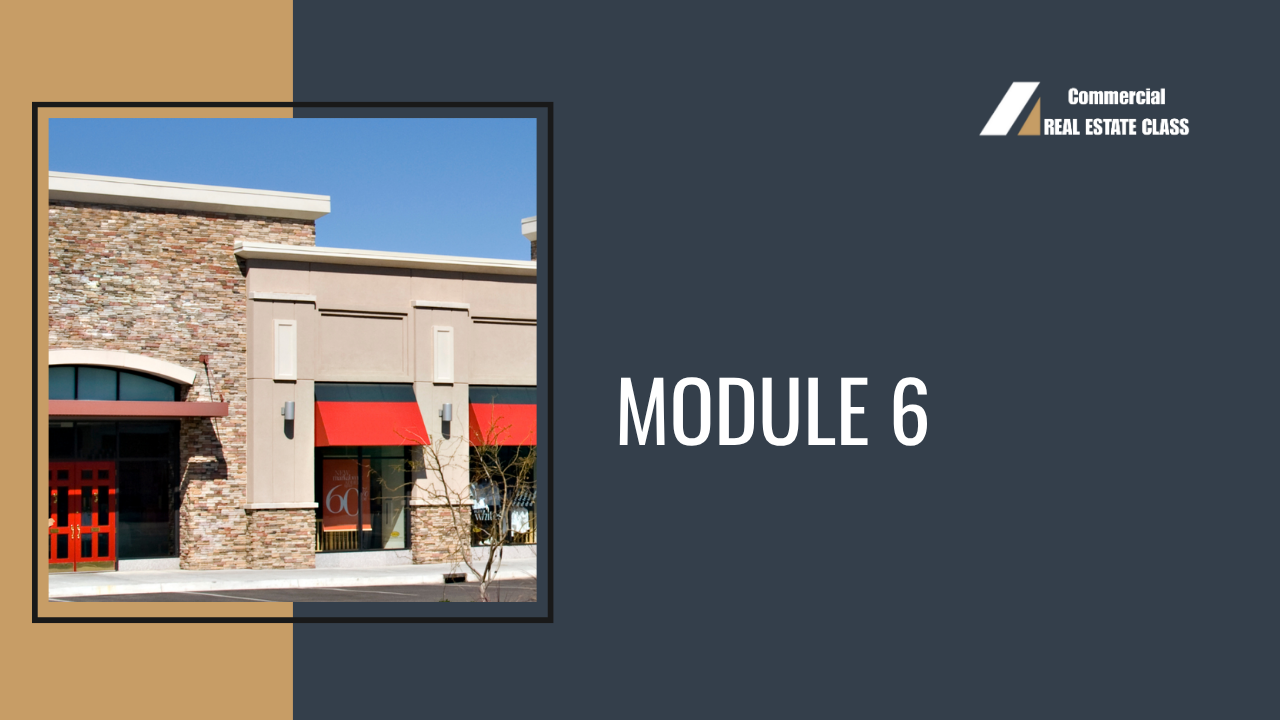
• Strip shopping centers
• Office buildings
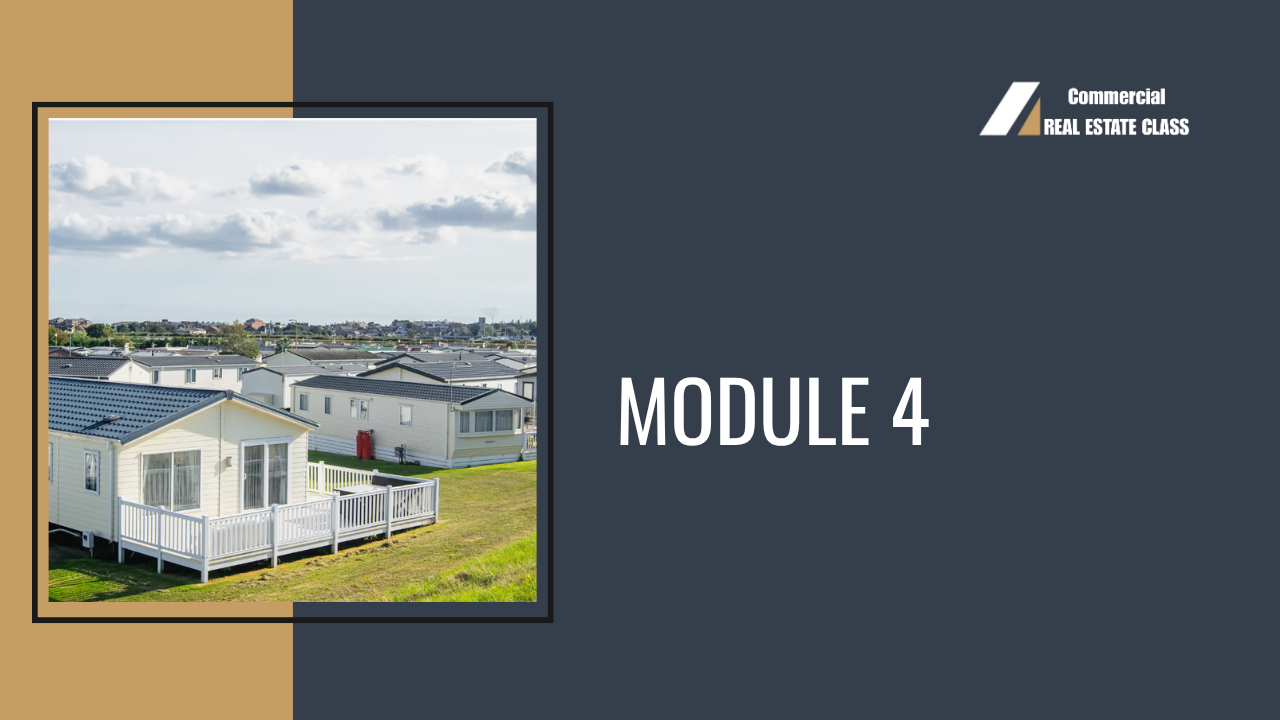
• Mobile home parks
All of these properties are valued based on the income they produce.
If you improve the income, you often increase the property’s value.
This creates opportunities that simply don’t exist in residential investing.
2. One Property Can Produce Many Streams of Rent
A single residential home has one tenant.
If that tenant leaves, the income drops to zero.
Commercial properties often have multiple tenants.
For example:
• A strip center might have 10 businesses paying rent
• An apartment complex may have dozens of units
• A self-storage facility could have hundreds of renters
Even if one tenant moves out, the property can continue producing income.
This reduces risk and creates more stability for the investor.
3. Professional Tenants Are Often Easier to Work With
Commercial tenants typically run businesses.
They depend on their location to generate revenue, so they often have strong incentives to maintain the property and stay long-term.
Many commercial leases also require tenants to handle expenses like:
• Property maintenance
• Insurance
• Property taxes
This structure is often called a Triple Net Lease (NNN).
For investors, it can mean fewer day-to-day management headaches.
4. Creative Financing Opportunities
Another major advantage of commercial real estate is the flexibility in structuring deals.
Experienced investors frequently use strategies such as:
• Seller financing
• Partnering with investors
• Lease options
• Master leases
• Private funding
Doc Haller has spent decades teaching investors how to structure deals creatively — often with little or no money down.
For many students, learning how to structure deals properly is the moment when commercial real estate truly starts to make sense.
5. Commercial Real Estate Rewards Knowledge
Residential real estate is widely understood.
Millions of people compete in that space.
Commercial real estate is different.
The learning curve is steeper, which means fewer investors truly understand how these deals work.
That creates opportunity.
Investors who take the time to learn how commercial properties are valued, financed, and managed can often find deals others overlook.
Learning the Right Way to Analyze Commercial Deals
If you’re interested in commercial real estate, the most important step is learning how to evaluate opportunities properly.
That’s exactly what Doc Haller teaches inside the Commercial Real Estate Class.
The course walks step-by-step through:
• Finding commercial investment opportunities
• Analyzing deals correctly
• Structuring offers
• Negotiating contracts
• Building long-term passive income
Commercial real estate isn’t just for large institutions or experienced developers.
With the right guidance, many everyday investors discover they can participate in this market too.