You're an Eagle: Wealth Builder
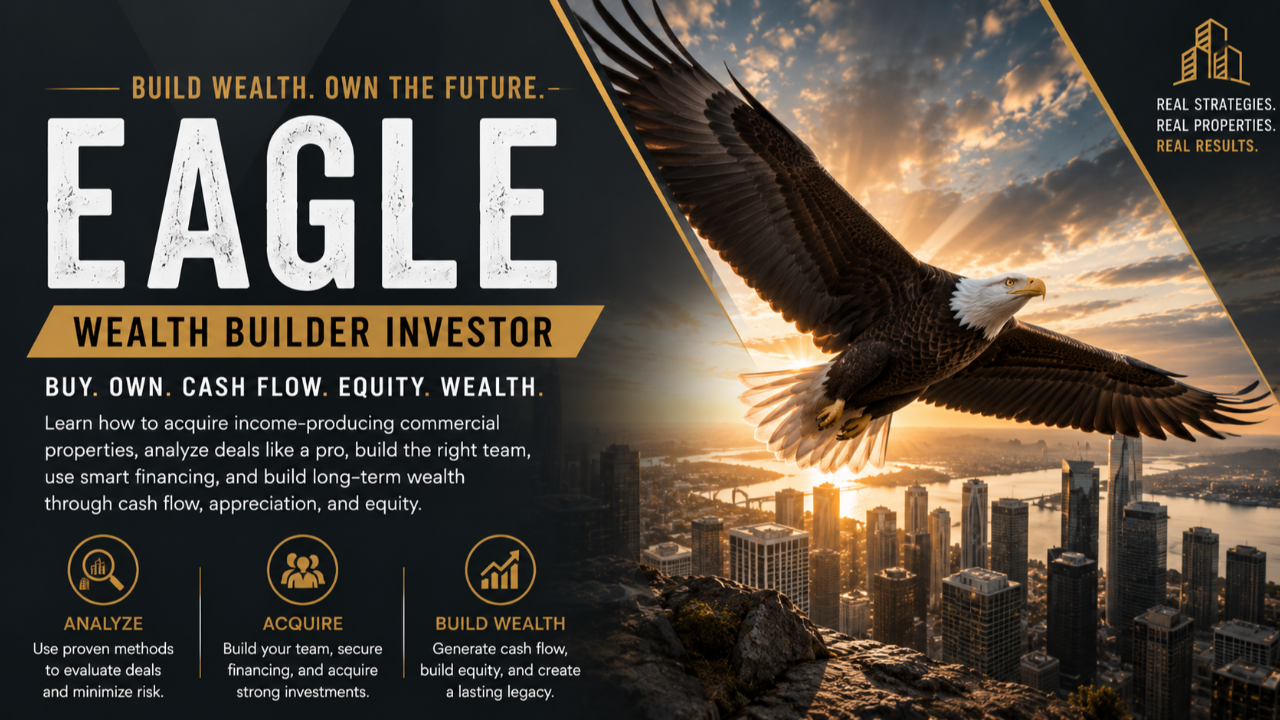
Commercial Real Estate Investor
Your fastest path to cash may be the one that keeps working for you long after the deal closes.
If your Commercial Real Estate Investor Strategy Quiz brought you here, your strongest starting strategy is the Eagle — Wealth Builder.
You're interested in more than completing a transaction.
You're thinking about ownership.
You want to understand how to identify income-producing commercial real estate, analyze the numbers, finance the right opportunities, acquire assets worth owning, and use commercial property to build cash flow, equity and long-term wealth.
That doesn't mean you have to know everything before you start.
And it certainly doesn't mean you need to master every commercial property type before you even look at your first deal.
Your Eagle Roadmap gives you a clear place to begin—what to learn first, when to start looking at real properties, what you can leave for later, and how to go deeper when an opportunity deserves your attention.
Why Long-Term Ownership May Be Your Fastest Path to Cash
For an Eagle, commercial real estate isn't simply about what happens at the closing table.
It's about what can happen after you own the property.
Income.
Cash flow.
Equity.
Leverage.
Potential appreciation.
Tax advantages.
And eventually, perhaps, another property.
Then another.
Your objective is to learn how to identify commercial real estate that makes sense not simply as a transaction—but as an asset.
That means learning to ask a different question:
Is this something worth owning?
And answering that question begins with the numbers.
Your Eagle Advantage: Think Beyond the Transaction
Eagles see the bigger picture.
That's your advantage.
You're not simply asking whether you can buy a property.
You want to know whether you should.
What does it produce?
What does it cost to operate?
What's the NOI?
How much debt will the property support?
How much equity will you need?
What could the cash flow look like?
What are the risks?
Who will manage it?
Does the financing make sense?
And does this particular property support what you're trying to accomplish over the long term?
That's why your Eagle path begins with learning how to evaluate the investment—not merely how to find one.
Step 1: Learn the Commercial Real Estate Numbers
Inside The Confident Commercial Real Estate Investor Course, your Eagle path begins with the fundamentals of commercial real estate investing.
You'll learn about:
- Income
- Expenses
- NOI
- Cash flow
- Key commercial real estate ratios
- Cap rates
- Leverage
- Deal economics
- Deal structure
You'll also begin working with the Property Data Collection Form and Doc's Online Commercial Real Estate Calculator.
These are foundational skills for every commercial real estate investor.
For an Eagle, however, you're learning them through the lens of ownership:
Does this property's income, price, financing and overall structure make sense for something I may want to own?
Step 2: Choose One Property Type
This is where your personalized roadmap can save you an enormous amount of time.
You do not need to study every kind of commercial real estate before you start looking at actual properties.
The complete program includes extensive training covering multiple commercial property types.
But your Eagle path says:
Pick one place to start.
That might be:
- Apartments
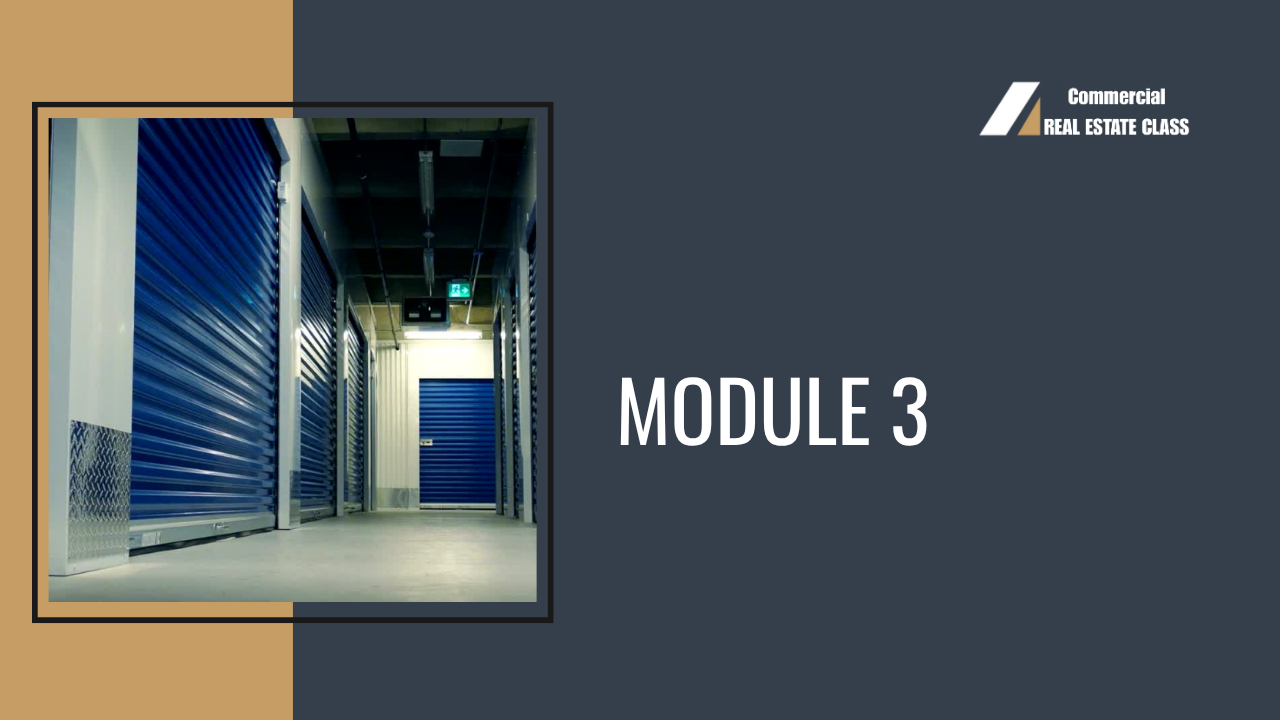
- Self-storage
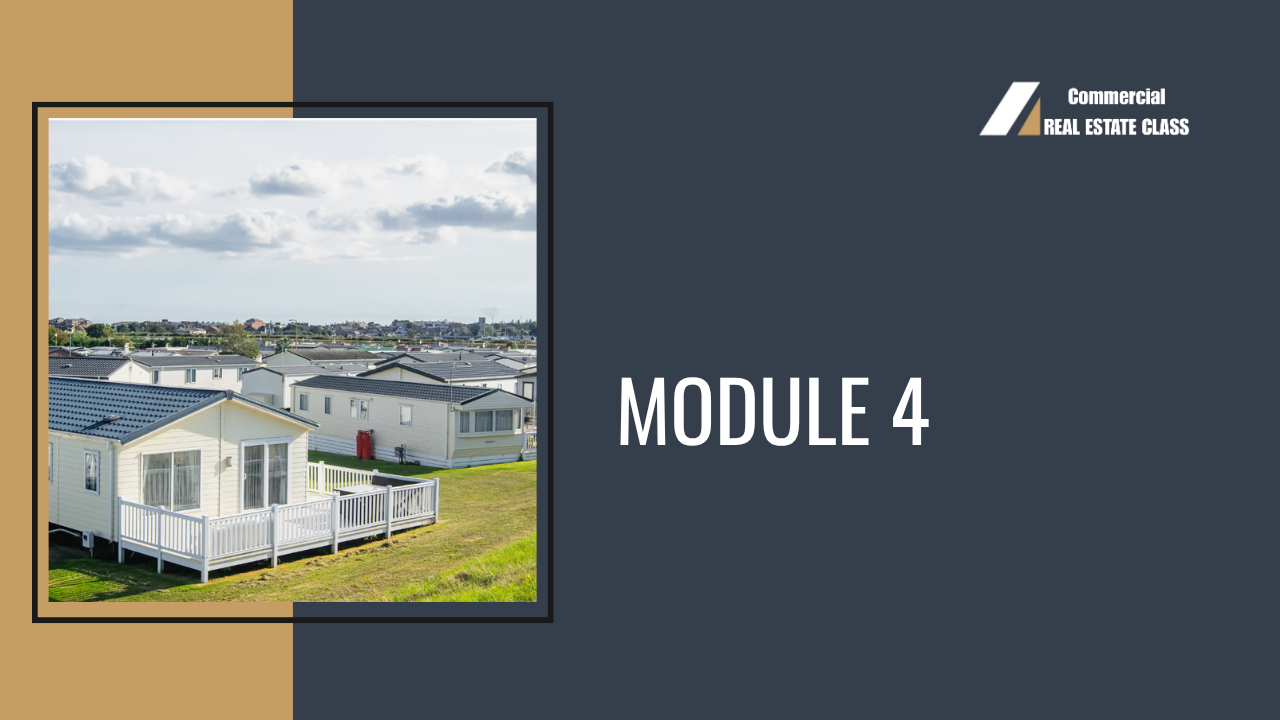
- Mobile home parks
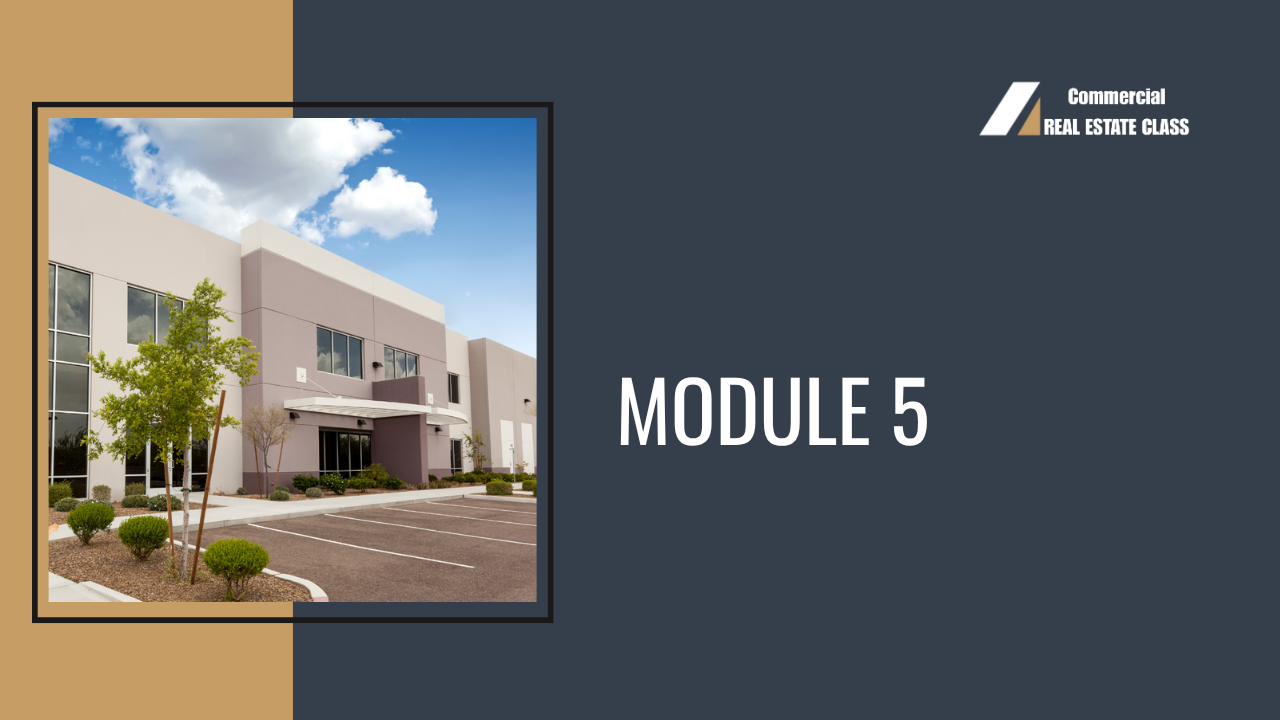
- Industrial properties
And the program contains additional education on office buildings, strip shopping centers, larger retail and other income-producing properties when those become relevant.
Choose a property type that makes sense for your interests, resources and market.
Learn enough about that asset class to understand what you're looking for.
Then start looking.
You can learn the others later.
Step 3: Learn How to Build Your Ownership Team
Owning commercial real estate doesn't mean doing everything yourself.
In fact, successful ownership often depends upon knowing who should do what.
Your Eagle roadmap therefore moves into the program's training on building a commercial real estate team.
You'll learn about working with professionals such as:
- Commercial real estate brokers
- Commercial mortgage brokers
- Property managers
- CPAs and tax professionals
- Contractors and other specialists when needed
You'll also learn how to evaluate and select some of these professionals using resources already included in the program.
An Eagle doesn't have to know how to perform every job.
An Eagle needs to know how the pieces fit together.
Step 4: Understand Financing Before You Assume the Deal Works
A commercial property can look wonderful until you discover that the financing doesn't.
That's why financing belongs relatively early in your Eagle roadmap.
Inside the complete program, you'll learn about:
- How much equity and debt may be required
- Commercial financing
- Finding mortgage lenders
- What to expect during the loan process
- Structuring deal financing
- Loan documentation
- Comparing lenders and loan terms
Long-term ownership depends on more than the purchase price.
The way the property is financed can have an enormous effect on cash flow, risk and your ability to hold the asset successfully.
You want to understand that before you fall in love with a deal.
Step 5: Start Finding and Screening Real Properties
Now it's time to move from education into the real world.
Once you've learned the essential numbers, chosen an initial property type, begun understanding your team and learned the financing basics, you know enough to start evaluating real opportunities.
Not buying.
Not signing.
Not closing.
Evaluating.
You can begin:
- Choosing a target market
- Searching for listed properties
- Looking for off-market opportunities
- Screening listings
- Gathering property information
- Requesting basic financial information
- Reviewing income and expenses
- Estimating cash flow
- Running preliminary numbers
- Understanding likely debt and equity requirements
- Talking with brokers, lenders and property managers
- Deciding which properties deserve deeper investigation
This distinction matters.
Being ready to evaluate a commercial property is not the same as being ready to purchase one.
You can start looking long before you're ready to close.
Step 6: Go Deeper When a Property Earns Your Attention
Eventually, you may find something interesting enough to move beyond preliminary analysis.
Now the rest of your education becomes relevant.
That's when you go deeper into the program's training on:
- Contracts
- Letters of intent
- Financing
- Entity setup
- Due diligence
- Negotiation
- Closing
- Property operations
- Professional review
The program includes detailed due-diligence and closing resources to help you understand the process as a real opportunity progresses.
You don't need to master all of that before you start looking.
But before you commit yourself to an acquisition, the deal needs to survive the numbers, financing, documents, due diligence and professional review.
That's the Eagle approach.
Buy Something Worth Keeping
This may be the simplest way to describe your strategy.
You're learning how to buy something worth keeping.
That doesn't mean the property has to be perfect on the day you buy it.
An Eagle can absolutely improve a property.
You may increase occupancy.
Improve management.
Reduce expenses.
Complete repairs.
Raise NOI.
Refinance.
In fact, some of the best long-term investments may also have value-add potential.
The distinction is your primary objective.
A Beaver looks at a property and thinks:
What can I do to create more value here?
An Eagle looks at it and thinks:
Could this become an asset I want to own?
Sometimes the answer to both questions is yes.
Your Strategy Can Change as You Grow
Being an Eagle doesn't prevent you from using the other strategies inside the program.
Suppose you find an excellent commercial real estate opportunity, but it doesn't fit your portfolio or you don't want to acquire it.
Your Cheetah — Transaction Facilitator education may suddenly become useful.
Or suppose you acquire an income-producing property and discover significant opportunities to improve its NOI, operations or physical condition.
Now you're using Beaver — Value-Add Investor skills.
That's exactly why you aren't buying an Eagle course.
You're getting the complete commercial real estate program and using your personalized Eagle Roadmap to determine where to begin.
Your starting strategy gives you focus.
The complete program gives you options.
Real Student. Real Portfolio.

You Don't Need to Master Everything Before You Start
The Confident Commercial Real Estate Investor Course is comprehensive.
That's important because commercial real estate ownership eventually touches a lot of subjects.
But comprehensive doesn't have to mean overwhelming.
Your Eagle Roadmap gives you a much simpler starting sequence:
Learn the Numbers → Choose a Property Type → Build Your Team → Understand Financing → Start Evaluating Real Properties → Go Deeper When a Deal Earns It
That's your path.
You don't have to master commercial real estate before you start looking at commercial real estate.
You need to learn enough to recognize which opportunities deserve the next level of your attention.
Ready to Follow Your Eagle Roadmap?
Want a copy of your personalized roadmap so you can come back to it?
Enter your name and email below and we'll send your Eagle Wealth Builder Roadmap directly to your inbox.
You'll have a simple reference showing:
- What to learn first
- How to choose an initial property type
- When to start evaluating real opportunities
- What you can leave for later
- When to go deeper into financing, contracts and due diligence
- How your strategy can evolve as your portfolio grows
Your Fastest Path Doesn't Have to Be Your Final Destination
Commercial real estate gives you options.
You can facilitate transactions.
You can create value.
You can own income-producing assets.
And over the course of your investing career, you may do all three.
Right now, your quiz results suggest that your strongest place to begin is by learning to analyze commercial real estate, recognize assets worth owning, and build toward long-term cash flow, equity and wealth.
That's your Eagle path.
Now you know where to start.