Industrial Real Estate Investing
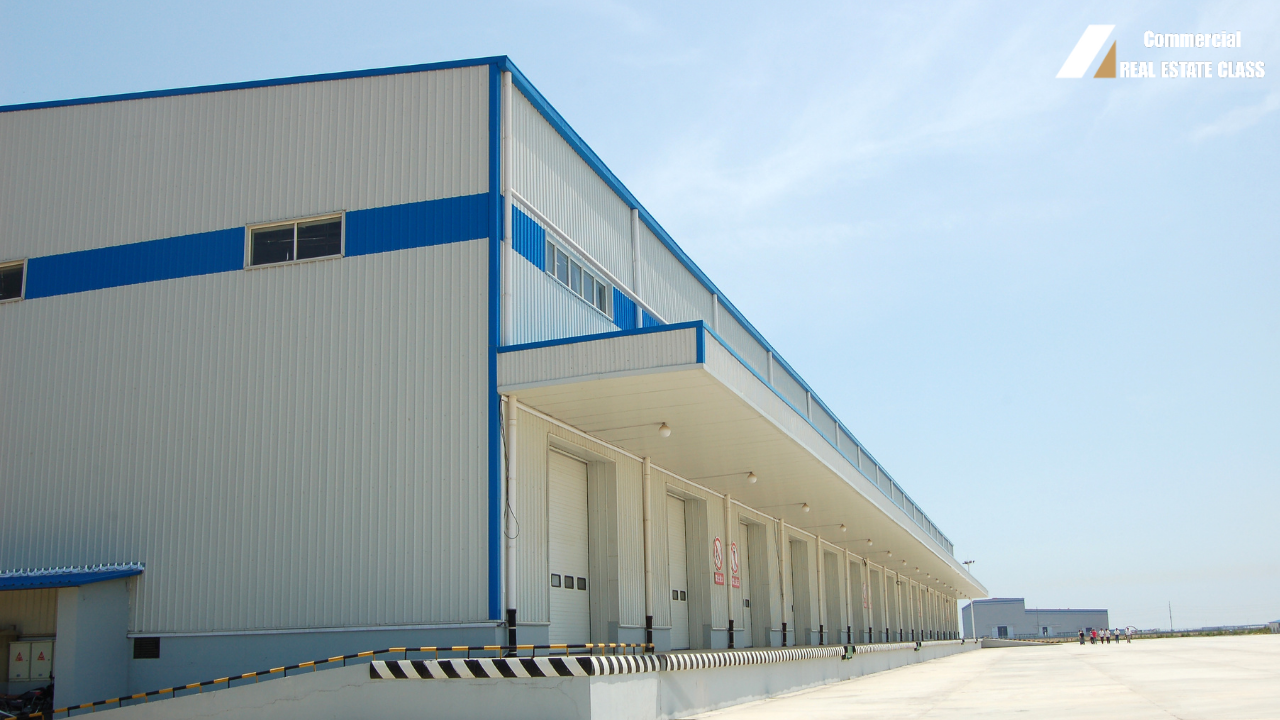
Warehouses and Distribution Centers
Industrial real estate has become one of the fastest-growing sectors of commercial property in recent years.
As e-commerce and global logistics networks continue to expand, businesses need more space to store products, manage inventory, and distribute goods efficiently. This demand has made warehouses and distribution centers an increasingly important part of the commercial real estate landscape.
Doc Haller often explains that industrial properties operate differently from other types of commercial real estate. While apartment buildings focus on housing and retail centers depend on customer traffic, industrial properties serve the logistical backbone of modern commerce.
For investors, this sector can offer long-term leases, stable tenants, and strong demand driven by economic growth.
What Is Industrial Real Estate?
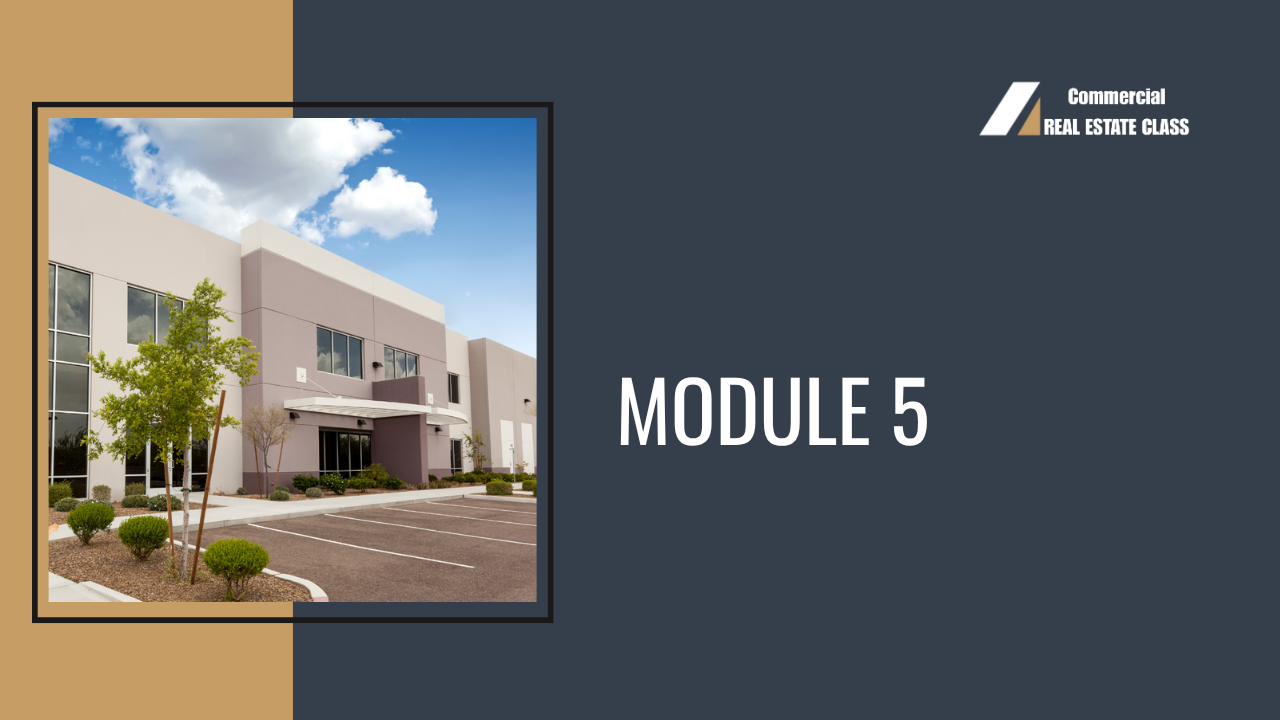
Industrial real estate includes properties used for manufacturing, storage, distribution, and logistics operations.
Common examples include:
• Warehouses
• Distribution centers
• Manufacturing facilities
• Flex industrial spaces
• Logistics hubs near transportation routes
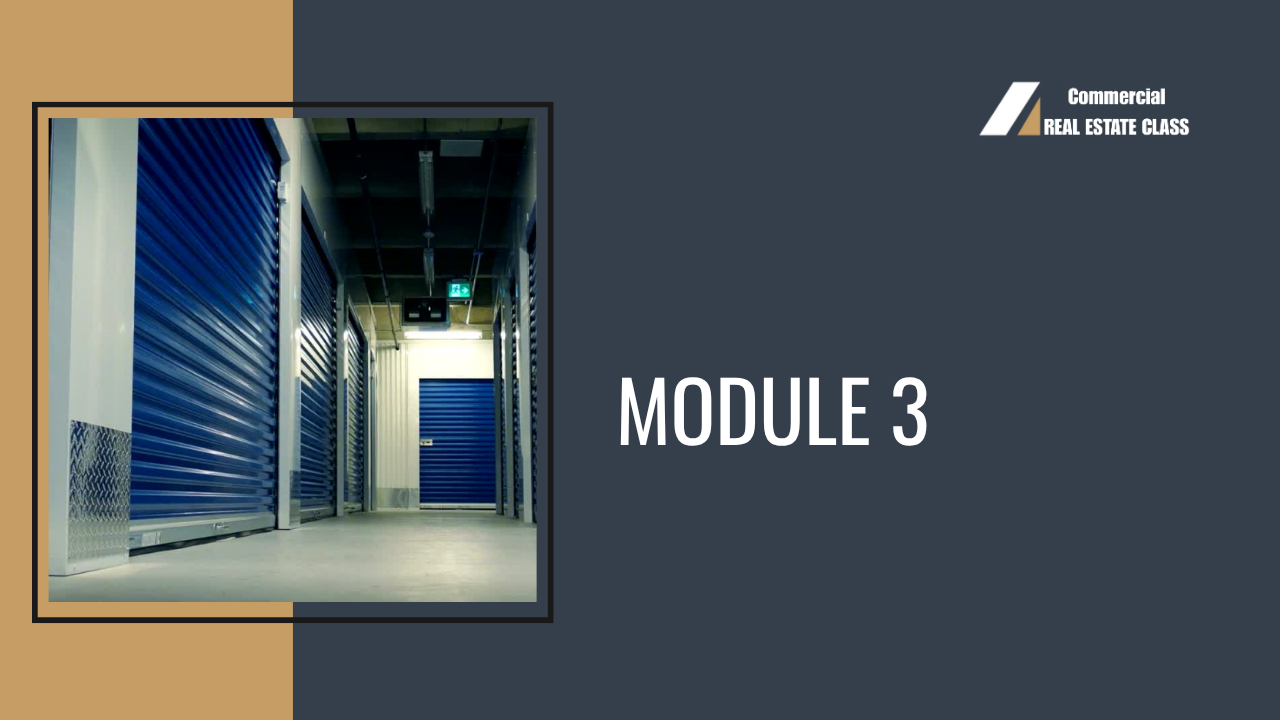
These buildings are typically designed with features that support large-scale operations, such as loading docks, high ceilings, truck access, and large storage areas.
Why Industrial Properties Attract Investors
Industrial real estate has become increasingly attractive to investors for several reasons.
Growing Demand from E-Commerce
Online shopping has dramatically increased the need for warehouses and distribution facilities.
Retailers and logistics companies require large storage spaces located near major transportation routes so they can quickly ship products to customers.
This demand has helped drive the growth of industrial real estate markets in many regions.
Long-Term Leases
Industrial tenants often sign long-term leases, sometimes lasting five to ten years or longer.
These longer leases can provide stable income for property owners, especially when the tenant operates an essential part of its business from the location.
Relocating warehouses or distribution centers can be expensive and disruptive, which often encourages tenants to remain in place for extended periods.
Lower Tenant Turnover
Compared to some other property types, industrial properties may experience less frequent tenant turnover.
Because industrial tenants often install specialized equipment or build operational infrastructure within the facility, moving to a new location can require significant time and expense.
This can create more stable tenancy and predictable rental income for investors.
Key Factors When Evaluating Industrial Properties
Investors evaluating industrial real estate typically consider several important factors.
These include:
• Proximity to major highways, rail lines, or ports
• Ceiling height and building layout
• Truck access and loading docks
• Local demand for warehouse space
• Tenant industries and financial stability
Location is particularly important in industrial real estate because transportation efficiency directly affects business operations.
Properties located near major logistics corridors often have stronger demand.
Verifying the Numbers
As with any commercial property, the financial performance of the building is a critical part of the investment analysis.
Investors typically review:
• Rental income from tenants
• Lease agreements and expiration dates
• Net Operating Income (NOI)
• Operating expenses
• Local market conditions
Doc Haller frequently reminds investors that verifying the numbers behind a deal is essential. Reviewing financial statements and lease documents carefully helps investors understand whether the property is performing as advertised.
Learning to Analyze Commercial Real Estate Opportunities
Industrial real estate is just one segment of the commercial property market.
Successful investors learn how to analyze different property types and evaluate opportunities based on income, expenses, and long-term market demand.
Inside the Commercial Real Estate Class, Doc Haller teaches investors step-by-step how to analyze commercial properties, verify financial information, and structure investment opportunities that can generate long-term income.