Why Self-Storage Is One of the Fastest Growing Real Estate Investments
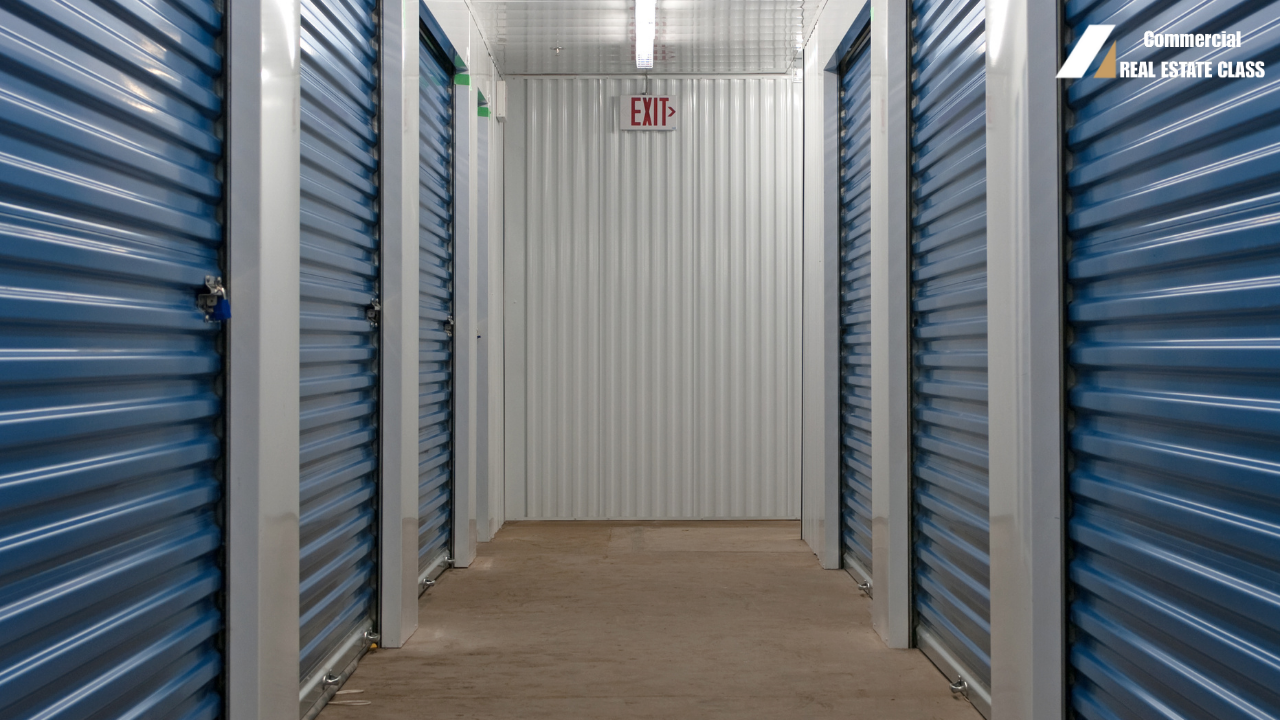
Over the past two decades, self-storage has become one of the fastest growing sectors in commercial real estate.
What began as a simple solution for people who needed extra space has turned into a thriving industry that attracts both individual investors and large institutional funds.
Doc Haller often explains that self-storage is appealing to many investors because the business model is relatively simple: people rent space to store their belongings, and those small monthly payments add up to consistent income.
For many commercial real estate investors, self-storage offers an interesting combination of steady demand, flexible leases, and manageable operations.
What Is a Self-Storage Facility?
A self-storage facility is a commercial property made up of individual storage units that are rented to customers.
Tenants typically use these units to store items such as:
• Furniture during a move
• Seasonal equipment
• Business inventory
• Personal belongings during life transitions
Most self-storage units are rented on month-to-month leases, giving operators flexibility to adjust rental rates as market conditions change.
Why Self-Storage Demand Continues to Grow
One reason self-storage has grown so rapidly is that it supports many common life events.
People often need storage during situations such as:
• Moving to a new home
• Downsizing to a smaller living space
• Business inventory overflow
• Temporary relocation for work
• Major home renovations
Because these life transitions happen regularly, demand for storage space often remains steady even during economic shifts.
Operational Simplicity
Compared to some other commercial property types, self-storage facilities can be relatively simple to operate.
Many facilities require:
• Minimal staffing
• Limited interior maintenance
• Few tenant service requests
In addition, self-storage tenants typically do not occupy the property the way apartment tenants or office workers do, which often reduces wear and tear on the property.
These factors can make storage facilities attractive to investors seeking properties with predictable income and manageable operations.
Multiple Income Streams
Another reason investors are drawn to self-storage is the variety of revenue opportunities these facilities can generate.
In addition to standard storage units, many properties offer:
• Climate-controlled units
• Vehicle or RV storage
• Packing supplies and boxes
• Late fees or administrative fees
These additional services can create multiple streams of income for the property owner.
Evaluating a Self-Storage Investment
While self-storage can be an attractive investment, investors still need to carefully evaluate each opportunity.
Some important factors to consider include:
• Local demand for storage units
• Facility occupancy rates
• Unit mix and rental pricing
• Competition from nearby facilities
• Operating expenses and management costs
Doc Haller often reminds investors that no matter what type of property they are evaluating, the key is always understanding the numbers behind the deal.
Learning to Evaluate Commercial Real Estate Opportunities
Self-storage is just one example of the many types of commercial real estate investments available.
Whether investors are evaluating apartment buildings, shopping centers, warehouses, or storage facilities, the process of analyzing income, expenses, and market conditions remains essential.
Inside the Commercial Real Estate Class, Doc Haller teaches investors step-by-step how to analyze commercial properties, verify financial information, and identify investment opportunities that can generate long-term income.