Strip Shopping Center Investing
How Retail Properties Generate Income
When most people think about commercial real estate, retail properties are often the first buildings that come to mind.
Strip shopping centers, neighborhood retail plazas, and storefront buildings are common features in many communities. These properties house a wide range of businesses, from restaurants and coffee shops to salons, fitness studios, and professional service providers.
For investors, retail properties can offer an appealing opportunity to generate income from multiple tenants operating in one location.
Doc Haller often explains that retail properties are interesting investments because they combine business activity, long-term leases, and multiple rental streams within a single property.
Understanding how these properties work is an important part of learning the broader commercial real estate landscape.
What Is a Strip Shopping Center?
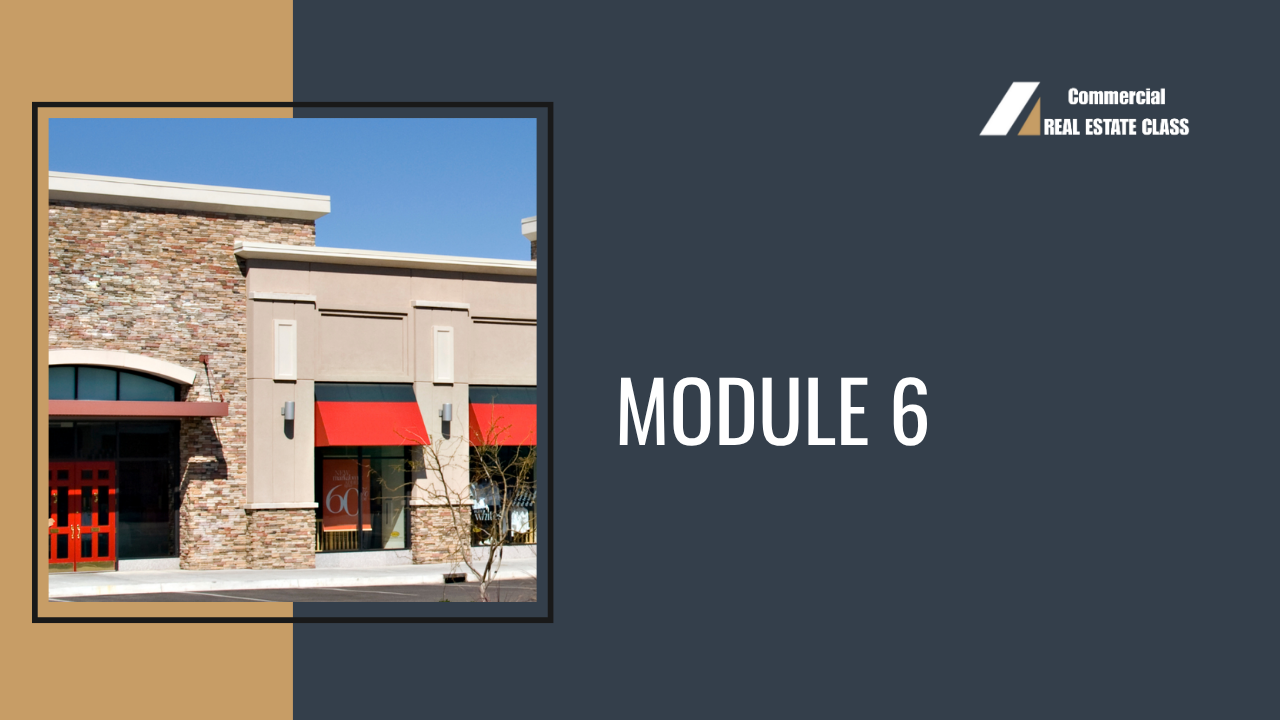
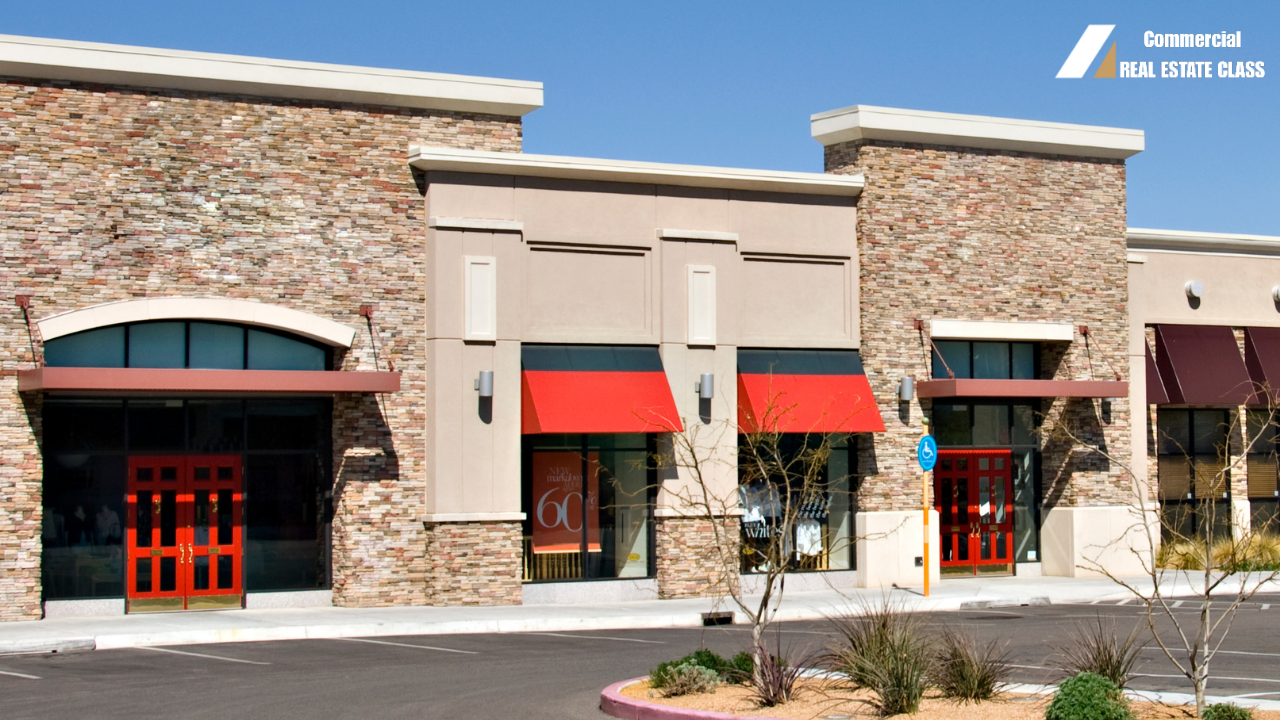
A strip shopping center is a retail property made up of multiple storefront spaces that are leased to different businesses.
These centers are typically located along busy streets or near residential neighborhoods where businesses benefit from convenient access and visibility.
Tenants in strip centers may include:
• Restaurants and cafés
• Convenience stores
• Hair salons and spas
• Fitness studios
• Medical or professional offices
• Retail shops
Each business rents its own space within the center, providing the property owner with multiple sources of rental income.
Multiple Tenants, Multiple Income Streams
One of the key advantages of retail centers is the ability to generate income from several tenants at once.
For example, a strip center might contain:
• A coffee shop
• A small grocery store
• A nail salon
• A dry cleaner
• A sandwich shop
Even if one tenant leaves, the remaining tenants may continue producing rental income for the property owner.
This diversification can help reduce risk compared to properties that depend on a single tenant.
Retail Lease Structures
Retail leases often differ from residential leases in important ways.
Many retail tenants sign longer lease agreements, sometimes lasting five years or more.
In some cases, leases may also include provisions where tenants contribute to certain operating costs, such as:
• Property maintenance
• Insurance
• Property taxes
• Common area upkeep
These arrangements can help stabilize operating costs for the property owner.
The Importance of Location and Traffic
Retail businesses depend heavily on customer traffic.
Because of this, successful retail centers are often located in areas with strong visibility and easy access for customers.
Investors evaluating a retail property often consider factors such as:
• Traffic patterns and visibility
• Population growth in the surrounding area
• Nearby residential neighborhoods
• Competition from other retail centers
• Parking availability
These factors can influence both tenant success and long-term property performance.
Evaluating Retail Investment Opportunities
As with any commercial real estate investment, the financial performance of the property is an important consideration.
Investors typically review:
• Rental income from each tenant
• Lease expiration dates
• Occupancy levels
• Operating expenses
• Local market conditions
Doc Haller often reminds investors that the numbers behind a property tell the real story.
Carefully reviewing financial records and lease agreements helps investors understand whether the property is performing as expected.
Learning to Analyze Commercial Real Estate Investments
Retail centers are just one of the many property types investors encounter when exploring commercial real estate.
Understanding how to analyze income, expenses, and lease structures is essential when evaluating any commercial property.
Inside the Commercial Real Estate Class, Doc Haller teaches investors step by step how to analyze commercial deals, verify financial information, and identify opportunities that can generate long-term income.