The 6 Main Types of Commercial Real Estate Investments
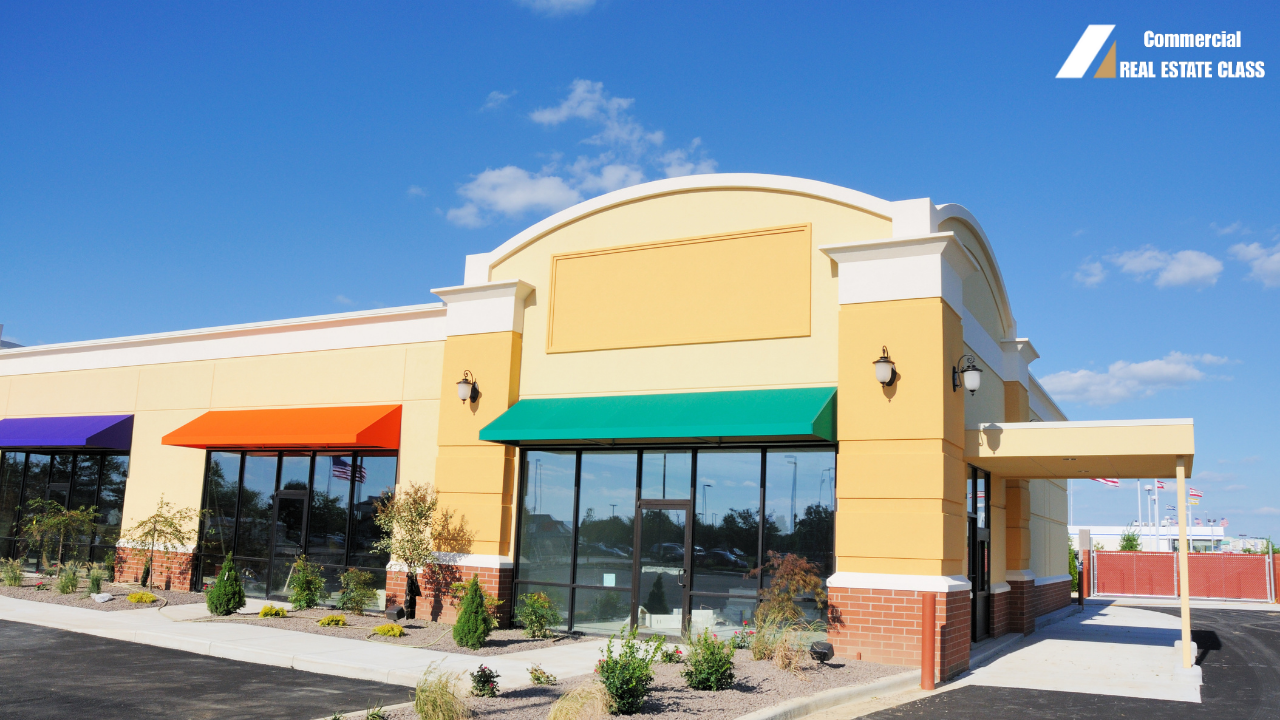
When people begin exploring commercial real estate investing, one of the first surprises is how many different types of properties fall under the commercial umbrella.
Commercial real estate isn’t limited to office towers or giant downtown buildings. In fact, many of the most profitable investments are properties you probably pass every day.
Understanding the main property types is an important step in becoming a successful investor.
Doc Haller often explains that commercial real estate offers investors a wide range of opportunities, each with its own advantages, risks, and income potential.
Let’s take a look at the six most common types of commercial real estate investments.
1. Apartment Buildings (Multifamily Properties)
Apartment complexes are one of the most popular forms of commercial real estate investing.
While small duplexes and triplexes are often classified as residential properties, larger apartment communities typically fall into the commercial category.
Apartment investments appeal to many investors because:
• Housing demand is consistently strong
• Properties generate income from multiple tenants
• Vacancy risk is spread across many units
Many investors consider multifamily properties to be one of the most stable types of commercial real estate.
2. Office Buildings
Office properties provide workspace for businesses of all sizes.
These properties range from small professional office buildings to large corporate towers.
Office tenants may include:
• Medical practices
• Law firms
• Accounting offices
• Technology companies
• Professional service providers
Lease terms in office buildings are often longer than residential leases, which can provide stable long-term income for investors.
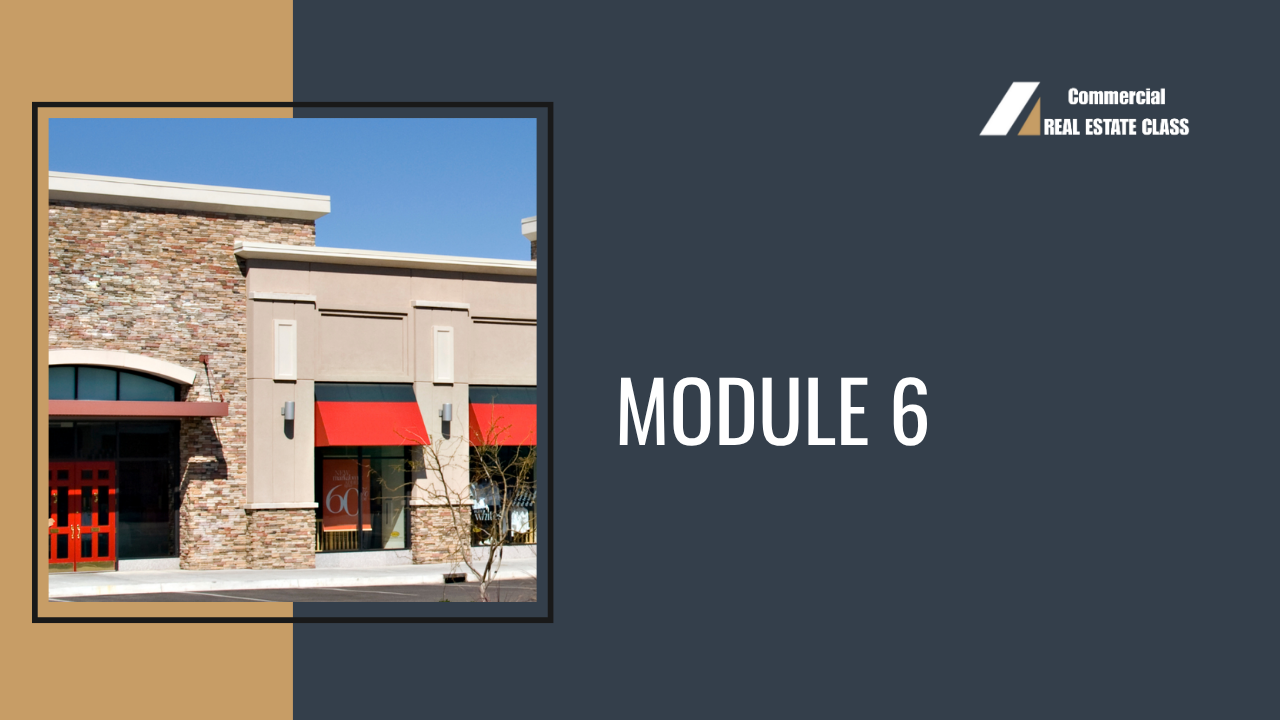
3. Retail Shopping Centers
Retail properties include strip malls, shopping centers, and storefront buildings leased to retail businesses.
Typical tenants might include:
• Restaurants
• Coffee shops
• Fitness studios
• Retail stores
• Service businesses
Retail centers can produce strong income when located in high-traffic areas.
Many investors like retail properties because a single building can host multiple tenants, spreading risk across several businesses.
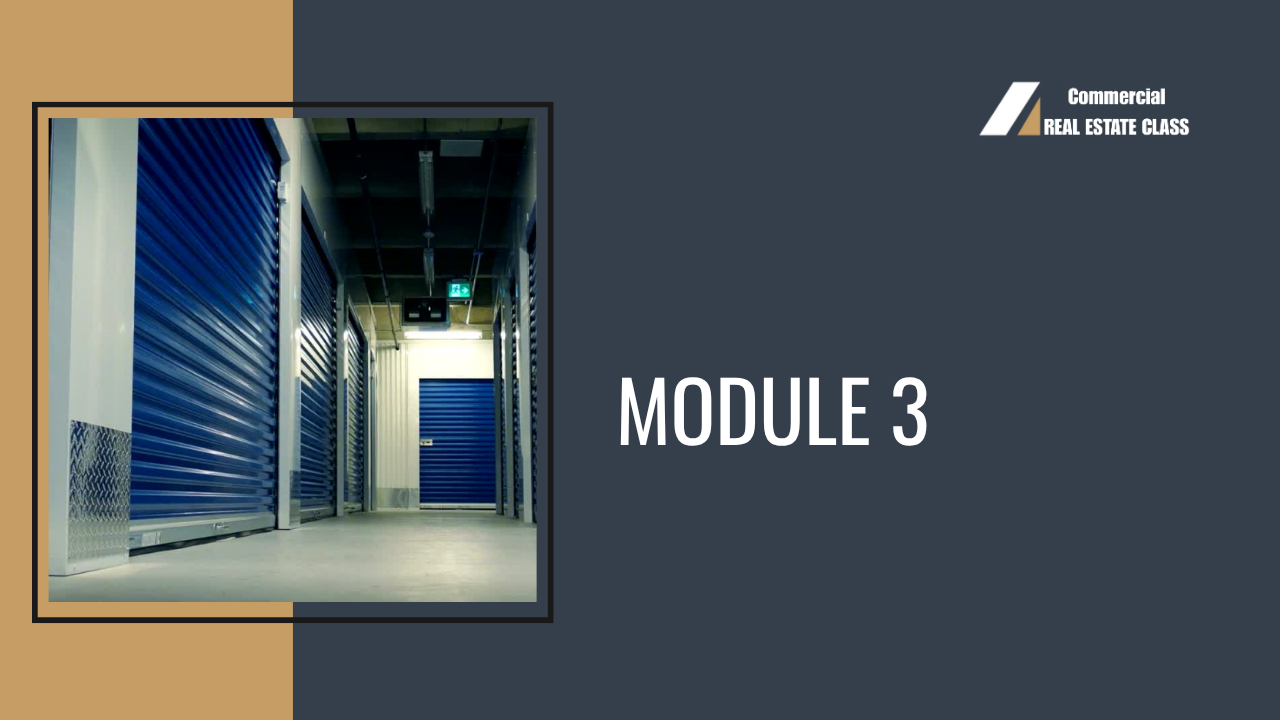
4. Self-Storage Facilities
Self-storage has become one of the fastest-growing sectors in commercial real estate.
These facilities rent storage units to individuals and businesses needing extra space.
Self-storage investments can be attractive because:
• Tenants usually rent month-to-month
• Facilities can operate with relatively low staffing
• Demand often increases during life transitions such as moving or downsizing
In recent years, many investors have recognized self-storage as a powerful cash-flow opportunity.
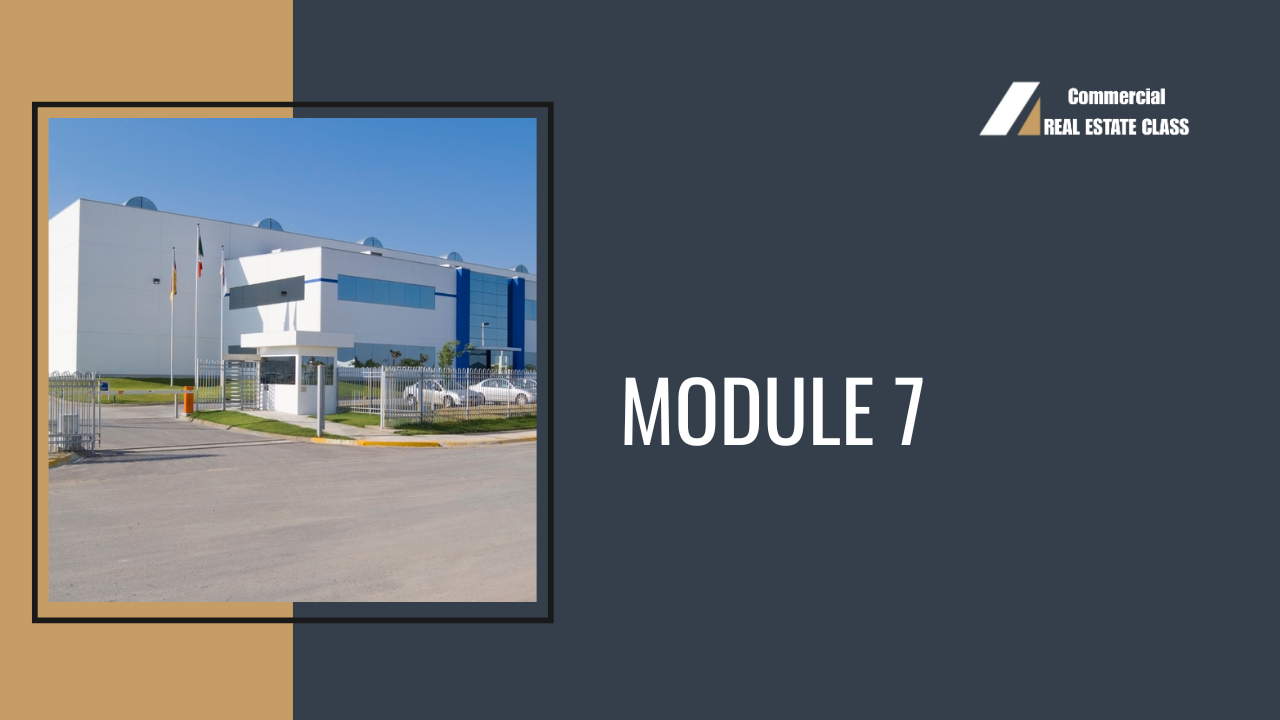
5. Industrial and Warehouse Properties
Industrial real estate includes warehouses, manufacturing facilities, and distribution centers.
With the growth of e-commerce and logistics, demand for warehouse space has increased significantly.
Industrial tenants may include:
• Distribution companies
• Manufacturing businesses
• Logistics providers
• Storage and shipping operations
Industrial properties often have long-term leases and relatively low management requirements.
6. Mobile Home Parks
Mobile home parks are another commercial property type that many investors overlook.
These communities provide rental space for manufactured homes.
Mobile home park investments can offer several advantages:
• Strong demand for affordable housing
• Lower turnover costs compared to apartments
• Potential for long-term tenant stability
For investors seeking stable income and relatively simple operations, mobile home parks can be an attractive option.
Choosing the Right Type of Commercial Investment
Each type of commercial property has its own unique characteristics.
Some investors prefer the stability of apartment complexes, while others are drawn to the growth potential of industrial properties or the steady income from self-storage facilities.
The key is learning how to evaluate deals, understand the numbers, and structure investments properly.
That’s exactly what Doc Haller teaches inside the Commercial Real Estate Class, where investors learn step-by-step how to analyze commercial properties and identify profitable opportunities.