What Is Commercial Real Estate Investing? A Beginner’s Guide

Many people hear the term commercial real estate investing and immediately picture massive skyscrapers owned by giant corporations.
But commercial real estate is actually much more accessible than most people think.
In fact, many everyday investors own commercial properties that generate steady income year after year.
If you're new to the topic, this beginner's guide will help you understand what commercial real estate investing is, how it works, and why so many experienced investors focus on this part of the market.
Doc Haller has spent decades teaching investors how commercial properties work, and one of the first lessons he shares is simple:
Commercial real estate is primarily about income.
Instead of buying property just for appreciation, investors focus on assets that produce consistent cash flow.
What Is Commercial Real Estate?
Commercial real estate refers to property used for business or income-producing purposes.
Unlike residential real estate, which typically involves single-family homes or small rental properties, commercial real estate includes larger properties designed to generate ongoing income.
Some common examples include:
• Apartment complexes
• Office buildings
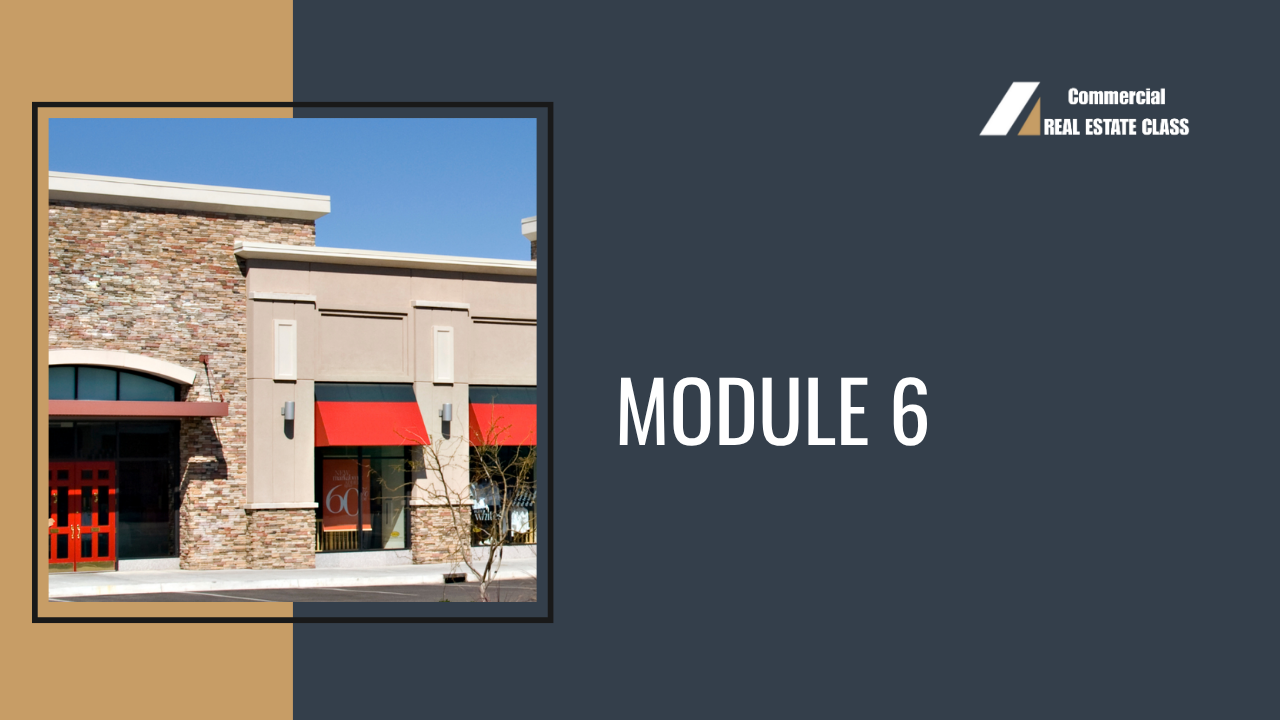
• Retail shopping centers
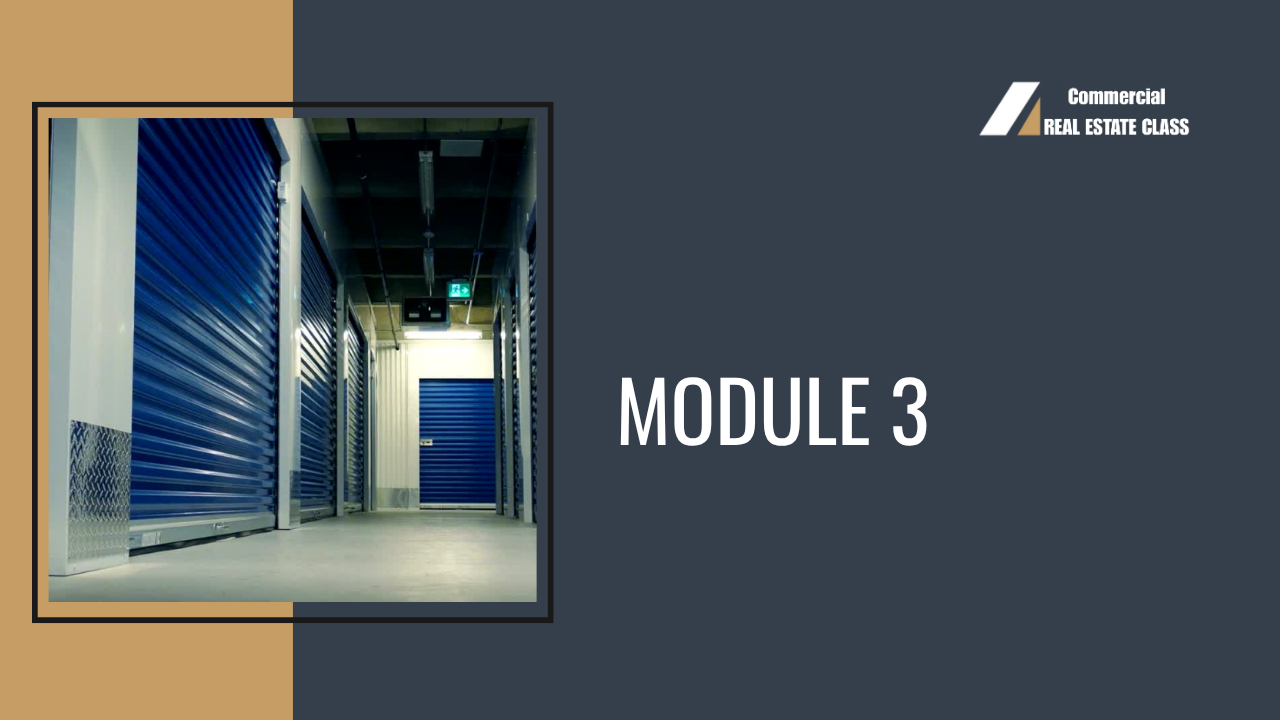
• Self-storage facilities
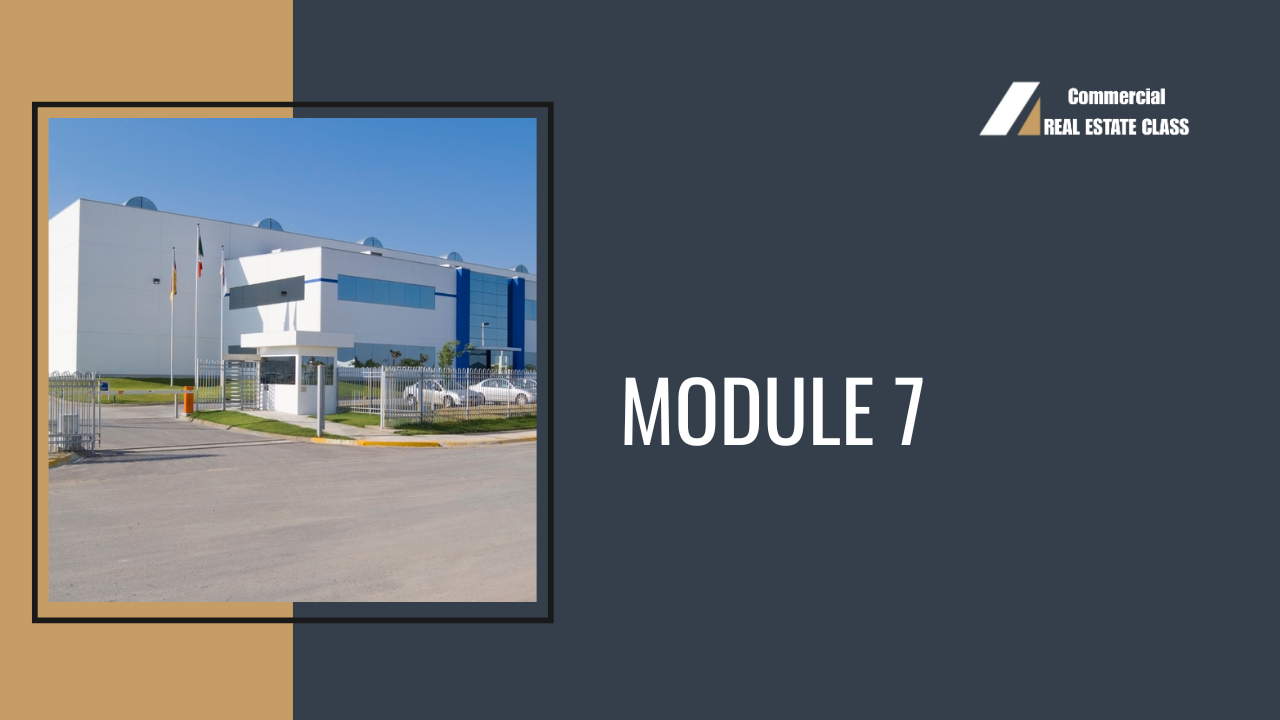
• Industrial warehouses
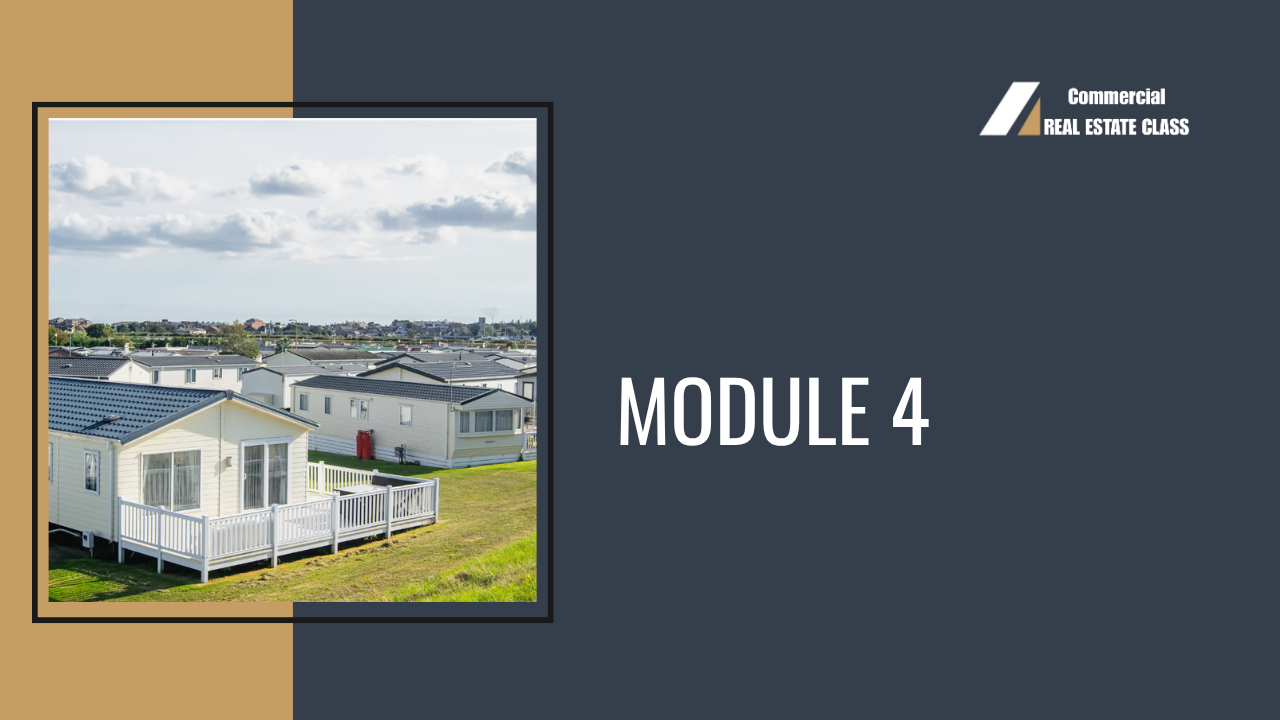
• Mobile home parks
Each of these property types produces income by leasing space to tenants.
How Commercial Real Estate Investors Make Money
There are two main ways investors earn income from commercial properties.
Rental Income
Tenants pay rent to occupy space within the property.
For example:
• Businesses rent offices or storefronts
• Families rent apartments
• Individuals rent storage units
The total rent collected from tenants becomes the property’s gross income.
After expenses are paid, the remaining income is known as Net Operating Income (NOI).
This income is one of the most important numbers investors evaluate when analyzing commercial deals.
Property Appreciation
Commercial properties can also increase in value over time.
However, the appreciation process works differently than residential real estate.
Instead of emotional buyer demand driving prices, commercial property values are typically based on income performance.
If an investor improves a property's income — by raising rents, reducing expenses, or improving occupancy — the property's value often increases as well.
This gives investors more control over the value of their investment.
Why Many Investors Prefer Commercial Real Estate
While residential real estate can be a good starting point, many experienced investors eventually transition to commercial properties.
Some of the advantages include:
• Larger income potential from multiple tenants
• Professional tenants running businesses
• More flexible deal structures
• Greater opportunities to increase property value
Because commercial properties often have multiple tenants, investors are not dependent on a single renter for income.
For example, a strip shopping center might have ten businesses paying rent each month. If one tenant leaves, the property can still generate income from the others.
Learning How to Evaluate Commercial Deals
One of the biggest differences between residential and commercial investing is how deals are analyzed.
Commercial investors must understand concepts like:
• Net Operating Income (NOI)
• Cap rates
• Lease structures
• Financing options
• Property management strategies
These concepts may sound complicated at first, but once you understand the fundamentals, commercial deals become much easier to evaluate.
That’s exactly what Doc Haller teaches inside the Commercial Real Estate Class.
The course walks step-by-step through the process of:
• Finding commercial properties
• Analyzing deals
• Structuring offers
• Negotiating contracts
• Building long-term passive income
If you’d like to learn more about how commercial real estate investing works, you can explore the full course. Click the green button below.